
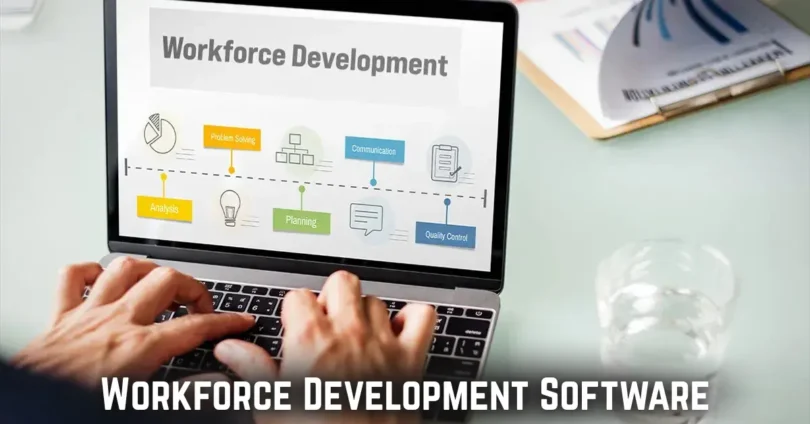
In today’s fast-paced business world, companies need to ensure their employees have the right skills to succeed. That’s where workforce development software comes in. This type of software helps businesses manage and improve their workforce by providing tools for training, performance tracking, and skill development.
Workforce development software is designed to make it easier for companies to offer ongoing learning opportunities to their teams. It helps identify skill gaps, track progress, and create personalized training programs. This way, employees can continuously grow, and businesses can stay competitive in their industry.
Benefits of Workforce Development Software
Improving Employee Skills
- Workforce development software helps employees learn new skills that are essential for their current and future roles.
- It offers personalized training based on individual needs, ensuring employees get the most relevant education.
- Regular assessments help track skill development and highlight areas that need improvement.
Increasing Productivity and Engagement
- By providing ongoing training, employees stay motivated and engaged in their roles.
- Workers with access to skill-building resources tend to be more confident and efficient in their tasks.
- It fosters a culture of continuous learning, which can lead to higher job satisfaction and better overall performance.
Cost-Effective Training Solutions
- Traditional training methods can be expensive, but workforce development software offers affordable, scalable solutions.
- Online training modules allow companies to reach a large number of employees without the need for physical classrooms.
- It reduces the need for travel or external trainers, making it a cost-effective option for companies of all sizes.
Key Features of Workforce Development Software
Learning Management Systems (LMS)
- LMS helps manage and deliver educational content to employees in an organized way.
- It tracks employee progress, completion rates, and exam scores to measure success.
- Companies can upload custom content or use ready-made courses to fit their team’s needs.
Employee Performance Tracking
- Performance tracking tools monitor how employees are performing in their roles.
- It helps managers identify top performers and areas where more development is needed.
- Regular feedback and evaluations make it easier to align employee goals with company objectives.
Skill Gap Analysis
- Skill gap analysis identifies areas where employees are lacking essential skills.
- The software provides data-driven insights on what training is needed to close those gaps.
- This helps businesses target their training efforts to improve overall team performance.
Custom Training Programs
- Workforce development software allows companies to design custom training programs tailored to specific needs.
- It provides flexibility in content creation, so training can be industry-specific or role-specific.
- These programs can be adjusted over time as the needs of the company or industry evolve.
How Workforce Development Software Works
Step-by-Step Process of How It Integrates into a Company
- Step 1: Assessing Needs
- The first step is to evaluate the company’s needs and identify the skills that need improvement. This helps tailor the software’s features to the specific goals of the business.
- Step 2: Setting Up the Platform
- Once the needs are identified, the software is set up and customized, including uploading training materials and setting up user profiles for employees.
- Step 3: Delivering Training
- Employees access the platform to start their training programs. They can complete online courses, attend webinars, and track their progress over time.
- Step 4: Ongoing Evaluation
- Regular assessments and feedback are built into the software to measure employee progress and make necessary adjustments to the training program.
- Step 5: Reporting and Analysis
- The software provides reports and analytics on employee performance, skill gaps, and training effectiveness, helping managers make data-driven decisions.
Examples of How It Supports Employee Development
- Personalized Learning Paths
- Workforce development software can create individualized learning paths for employees based on their current skills and career goals. This helps each employee grow at their own pace.
- Real-Time Feedback
- It offers immediate feedback after assessments or training modules, so employees can quickly understand areas where they need improvement.
- Collaboration and Peer Learning
- Some platforms include features that allow employees to collaborate, share insights, and learn from each other, fostering teamwork and knowledge exchange.
- Continuous Access to Learning
- Employees can revisit training modules anytime, enabling continuous learning and development, which is essential for long-term growth.
Choosing the Right Workforce Development Software
Factors to Consider: Budget, Company Size, Industry
- Budget
- The cost of workforce development software varies, so it’s important to select a solution that fits your company’s budget while still meeting all needs. Consider both upfront costs and long-term value.
- Company Size
- For smaller businesses, simpler, more affordable software might be sufficient, while larger companies may need advanced features to manage a larger workforce and scale training programs.
- Industry
- Different industries have specific training needs. Make sure the software you choose supports your industry’s particular requirements, such as compliance training or skill-specific modules for certain fields.
Popular Tools and Platforms
- Moodle
- Moodle is an open-source learning management system widely used for creating and delivering online learning. It’s customizable and suitable for businesses of all sizes.
- TalentLMS
- TalentLMS is a cloud-based platform that’s easy to set up and use. It offers various features like gamification, compliance training, and integration with other tools, making it perfect for growing companies.
- Cornerstone OnDemand
- This platform is designed for large enterprises. It provides robust talent management features, including training, performance tracking, and recruitment solutions.
- Docebo
- Docebo is a flexible learning management system known for its user-friendly interface and advanced reporting tools. It is particularly useful for organizations looking to scale their training programs globally.
Real-Life Examples of Successful Workforce Development
Case Studies or Success Stories of Businesses Using Workforce Development Software
- Example 1: A Global Retailer Enhancing Employee Skills
- A major global retailer used workforce development software to train its customer service team. The software provided personalized learning paths and real-time feedback, resulting in improved customer interactions and higher satisfaction scores.
- Example 2: A Manufacturing Company Reducing Training Costs
- A manufacturing company implemented workforce development software to automate and streamline training for its factory workers. This shift to digital learning reduced training costs by 30% and improved safety compliance across its plants.
- Example 3: A Financial Services Firm Boosting Employee Engagement
- A large financial services firm used the software to offer continuous learning opportunities for its employees. The result was a 25% increase in employee engagement and a reduction in turnover rates, as employees felt more valued and supported.
Tangible Results (e.g., Increased Efficiency, Employee Retention)
- Increased Efficiency in Training
- By using workforce development software, companies can deliver training more efficiently. One company saw a 40% reduction in training time, allowing employees to spend more time on productive tasks.
- Higher Employee Retention Rates
- Organizations that invest in employee development report higher retention rates. For instance, a tech company using the software for skill development saw employee retention rise by 20% over two years.
- Improved Performance and Productivity
- After implementing workforce development software, a healthcare organization noticed a 15% increase in overall employee performance, as staff were more confident and skilled in their roles.
Challenges in Workforce Development and How Software Helps
Common Obstacles in Workforce Development
- Skill Gaps and Knowledge Shortages
- Many companies face significant skill gaps, especially as industries evolve and technology advances. This can lead to lower productivity and more errors.
- Lack of Time for Training
- Employees are often too busy with their day-to-day tasks to participate in lengthy training programs. This can result in missed learning opportunities and stagnated growth.
- Inconsistent Training Across the Workforce
- Without a standardized approach, training can be inconsistent. Some employees may receive more training than others, leading to disparities in skill levels.
- High Training Costs
- Traditional training methods, such as in-person sessions, can be expensive. Costs include travel, materials, and instructor fees, making it hard for smaller companies to provide effective training.
How Software Addresses These Challenges
- Bridging Skill Gaps
- Workforce development software helps identify skill gaps through assessments and data analysis. It then creates targeted training programs to close those gaps and ensure employees stay up-to-date with industry standards.
- Flexible Learning Opportunities
- Software offers on-demand training, allowing employees to learn at their own pace and schedule. This flexibility ensures employees can continue developing skills without disrupting their daily responsibilities.
- Standardized Training Programs
- The software provides a consistent learning experience for all employees. This ensures everyone receives the same training and development opportunities, leading to a more skilled and unified workforce.
- Cost-Effective Training Solutions
- With online courses and virtual training, workforce development software cuts down on travel and instructor fees. It provides scalable, affordable learning that can fit into any company’s budget, making it accessible to businesses of all sizes.
FAQs on Workforce Development Software
What is workforce development software?
Workforce development software helps businesses manage employee training, track progress, and improve skills. It offers tools for learning, performance tracking, and skill gap analysis.
How can workforce development software benefit my company?
It can improve employee skills, boost productivity, reduce training costs, and create a more engaged workforce. It also helps ensure employees stay updated with the latest industry trends.
Is workforce development software easy to use?
Yes! Most software is designed to be user-friendly, with easy navigation and support for both employees and managers. It’s meant to simplify training and make it accessible for all team members.
Can workforce development software be customized?
Yes, many platforms allow businesses to tailor training programs to their needs. You can upload your own content, create personalized learning paths, and adjust features to fit your company’s goals.
How do I choose the right workforce development software?
Consider factors like your budget, company size, industry needs, and the specific features you require (e.g., LMS, performance tracking). Popular platforms like Moodle, TalentLMS, and Cornerstone OnDemand can help guide your decision.
Will workforce development software help with employee retention?
Yes, offering continuous learning and career development through software can increase job satisfaction and reduce turnover, as employees feel more valued and supported in their roles.
Conclusion
Workforce development software is a powerful tool that helps businesses overcome common challenges like skill gaps, high training costs, and inconsistent learning. By offering flexible, cost-effective training solutions, it ensures employees can continuously improve their skills, leading to better performance and higher retention.
With the right software, companies can build a stronger, more skilled workforce, setting themselves up for long-term success.

